
 English
 Português
 Deutsch
 Eesti
 Magyar

The future of sign languages is also being built here
From language documentation to AI, we aim to connect digital sign language libraries, corpora, teaching tools and accessible interaction. VisuoLab and SignBank already bring research and technology together across international partners.Discover the VisuoLab ecosystem
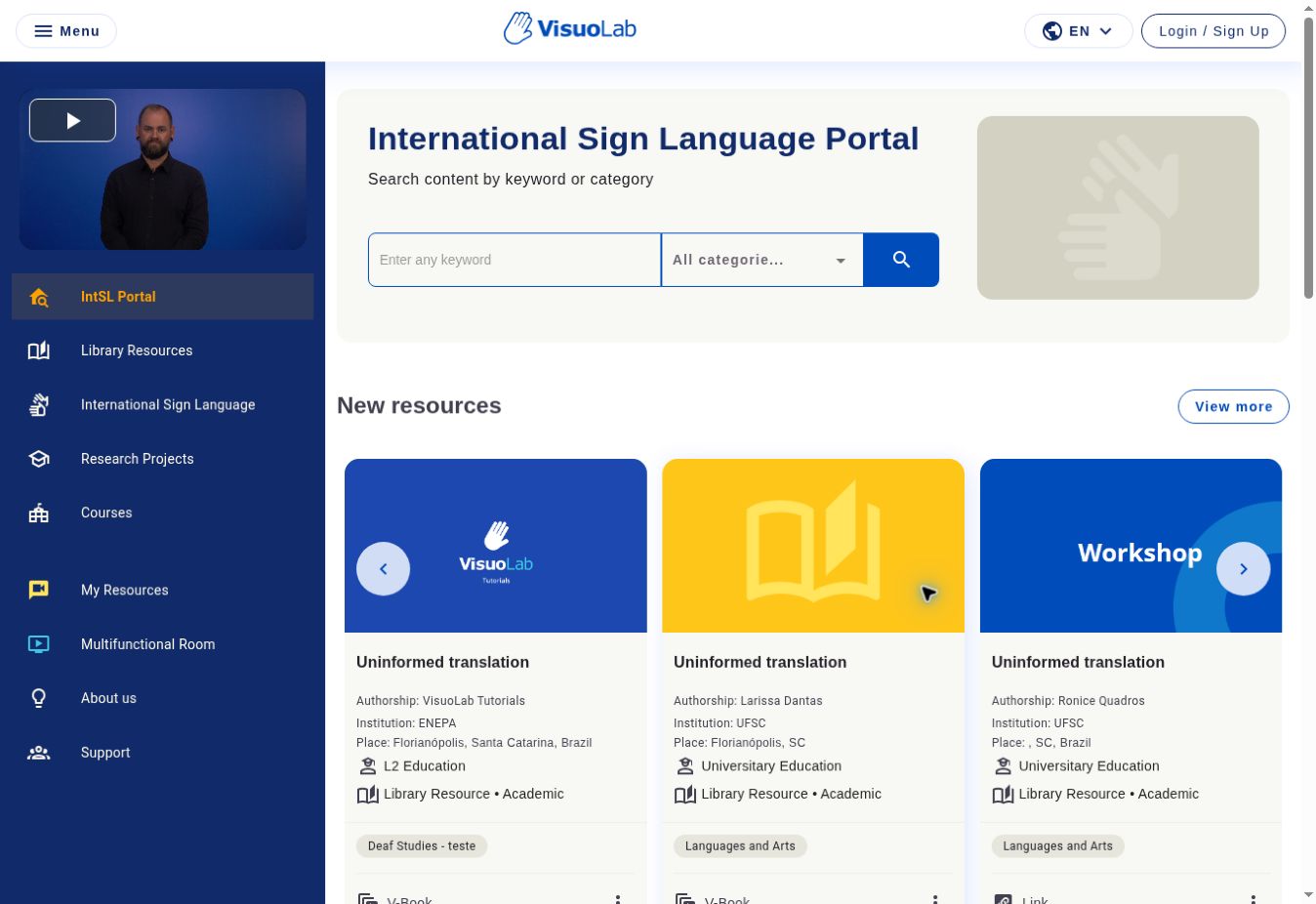
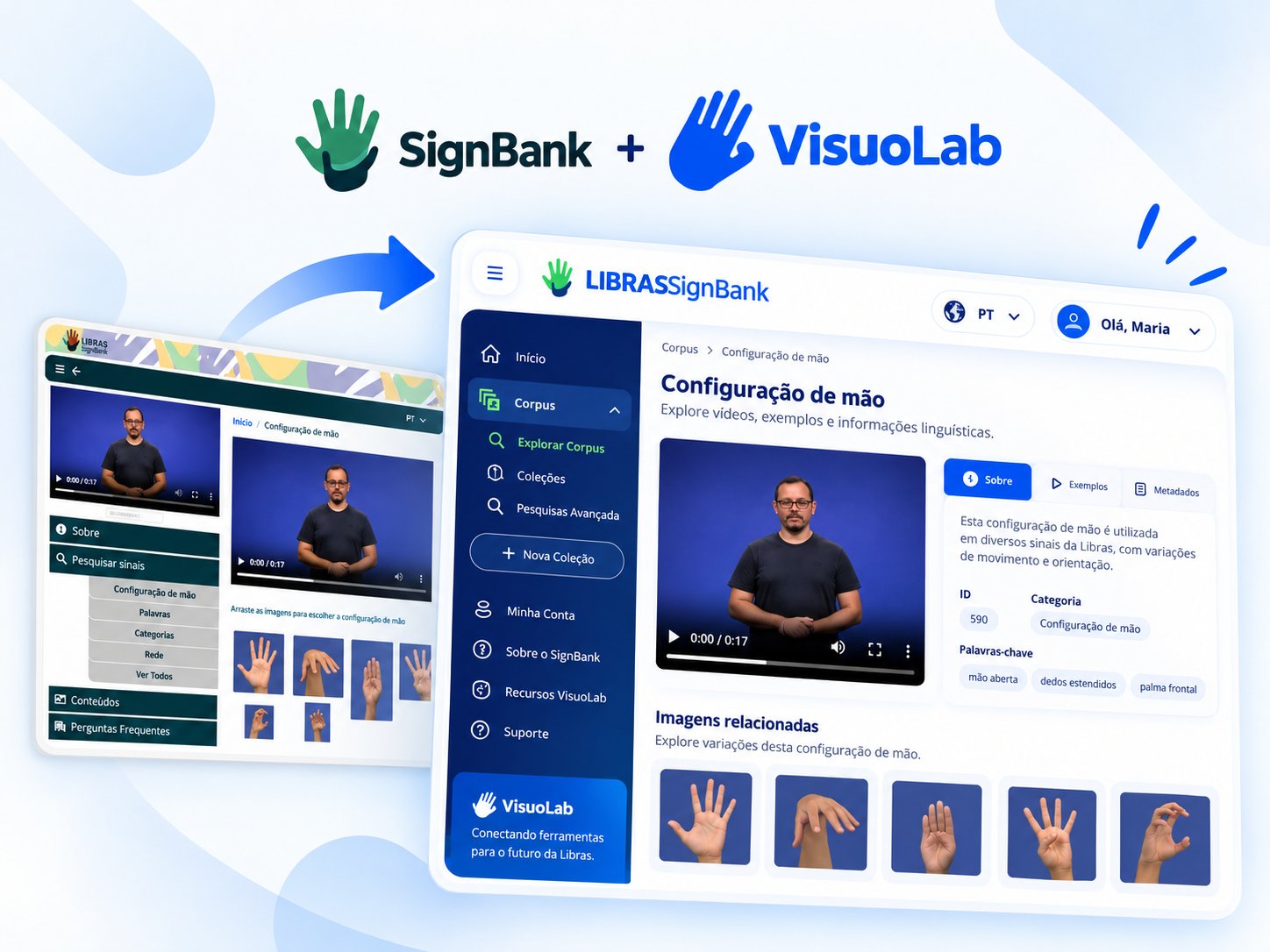
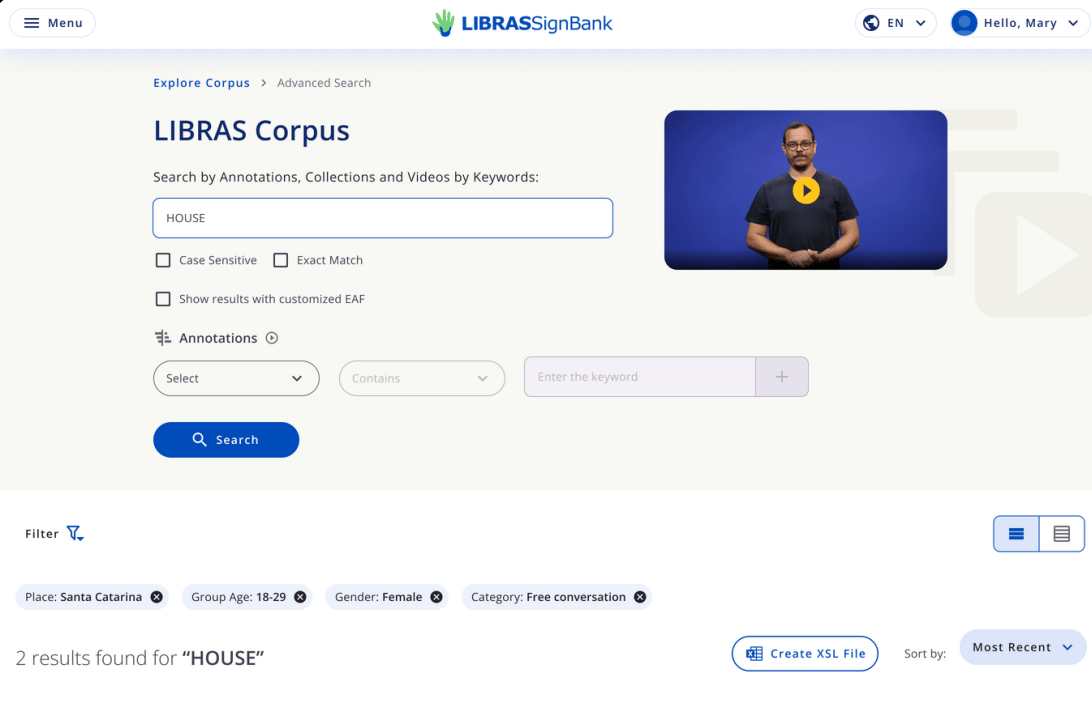
The VisuoLab ecosystem brings together three complementary technology initiatives — VisuoLab, SignBank 2.0 and SignBank Corpus — developed by a network of researchers, educators, technology professionals and partner institutions, with participation from Deaf communities. Although each application has its own features and history, they share the goal of expanding sign language documentation, research, teaching and learning. They are intended to connect progressively, bringing educational resources, dictionary entries and contextual corpus examples closer together.VisuoLab
SignBank 2.0
SignBank Corpus
An ecosystem under construction
A collaborative research and development effort
VisuoLab and the wider sign language technology ecosystem bring together scientific and conceptual research, pedagogical expertise, technical development, and the perspectives and participation of Deaf communities. These contributions inform how resources are designed, developed and evaluated. Specific institutional and individual acknowledgments are subject to confirmation with the relevant partners. Contributions, rights and licensing: VisuoLab’s development involves scientific, conceptual, pedagogical, technical and community contributions from different participants and institutions. Recognition of these contributions is distinct from the legal ownership, licensing or contractual rights associated with specific software components, linguistic resources, research data and other materials. The applicable rights and permissions should be identified according to the relevant agreements, licenses and institutional arrangements. These distinctions support transparent collaboration and responsible reuse of resources while preserving the shared-network benefit principle that guides the ecosystem’s development.A roadmap of possibilities
This roadmap distinguishes capabilities already available in VisuoLab from prototypes, work in development and future proposals. Each initiative indicates its current stage. Prototypes and proposals should not be understood as features already available to users. The first initiative presents the existing VisuoLab platform. The following initiatives describe prototypes, planned activities and research or development proposals. Funding arrangements are discussed with the relevant project partners.Technology already built
VisuoLab — the platform that made the ecosystem possible
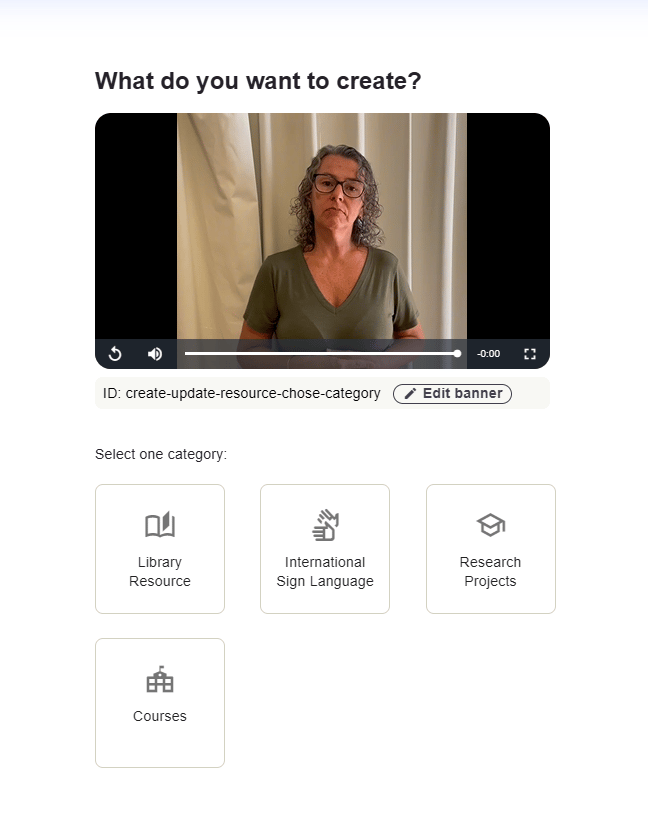
Stage: Implemented — In operation and continuously evolving.
Scope: VisuoLab platform.
Purpose: Provide a multilingual and multimodal environment for creating, organising and sharing sign language learning and research resources.
Outputs and evidence: Existing resources include the VisuoLab portal, Resource Creator and V-book builder, Video Classroom and institutional administration tools.
Next steps: Identify priorities for continued improvement and wider adoption with participating institutions and users.
What funding enables: A multilingual, multimodal portal for producing, publishing, searching and sharing accessible sign language learning and research resources.
Contribution to the ecosystem: Digital libraries, V-book publishing, collaborative video classrooms and institutional management.
Potential: Research collaboration became usable technology available to expand internationally.
Features and implementation
Features and implementation
Implemented resources include the international portal, the Resource Creator and V-book builder, Video Classroom, and institutional administration.
Potential areas for continued improvement include multilingual resource libraries, V-book creation and publishing, collaborative video classrooms, and institutional management tools. These improvements are possibilities for future development, not newly available features.
Funding and collaboration
Funding arrangements and development priorities are discussed with the relevant project partners.
Funding details and how to contribute
Funding details and how to contribute
Community contributions support the shared ecosystem. Project-specific funding requires an identified campaign or agreement.
Next developments in the ecosystem
SignBank Corpus — language documentation in context
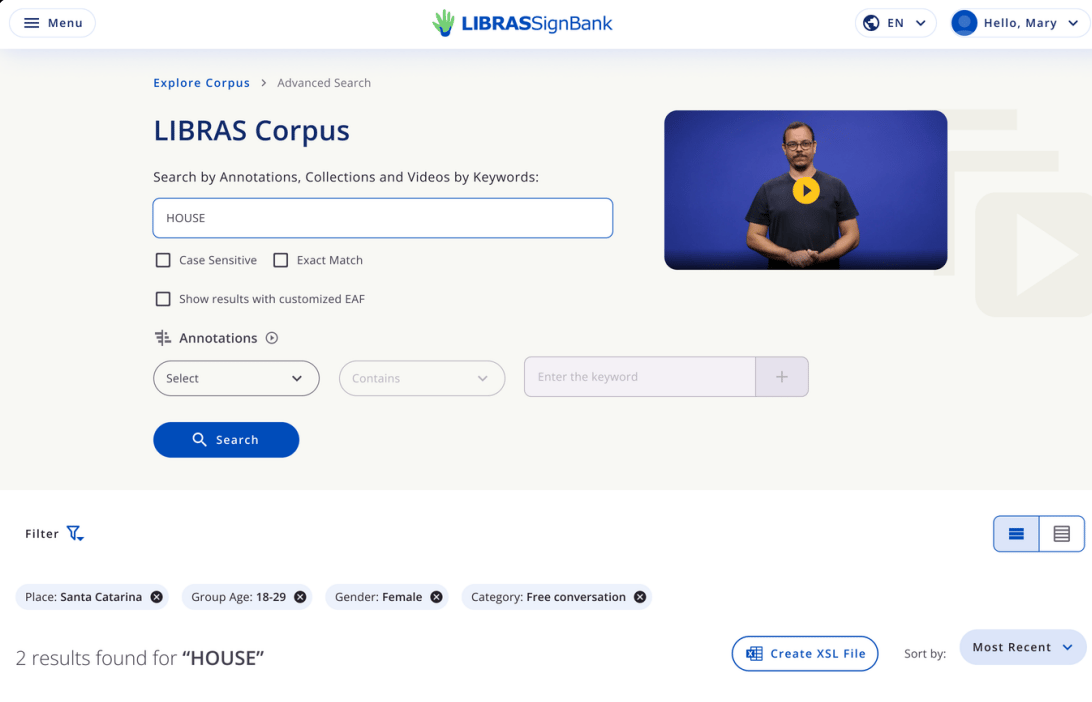
Stage: Prototype — Initial prototypes developed; SignBank integration remains to be completed.
Scope: SignBank Corpus and linguistic data integration.
Purpose: Support the exploration of sign language corpus materials and connections between contextual video examples and lexical resources.
Outputs and evidence: Initial prototypes demonstrate corpus exploration and access to linguistic data. Wider integration, evaluation and publication remain future development activities.
Next steps: Develop SignBank integration further, assess search and navigation with relevant users and prepare the resource for wider availability.
What funding enables: Connect sign language corpus and lexicon, test the search experience with Deaf communities and prepare publication.
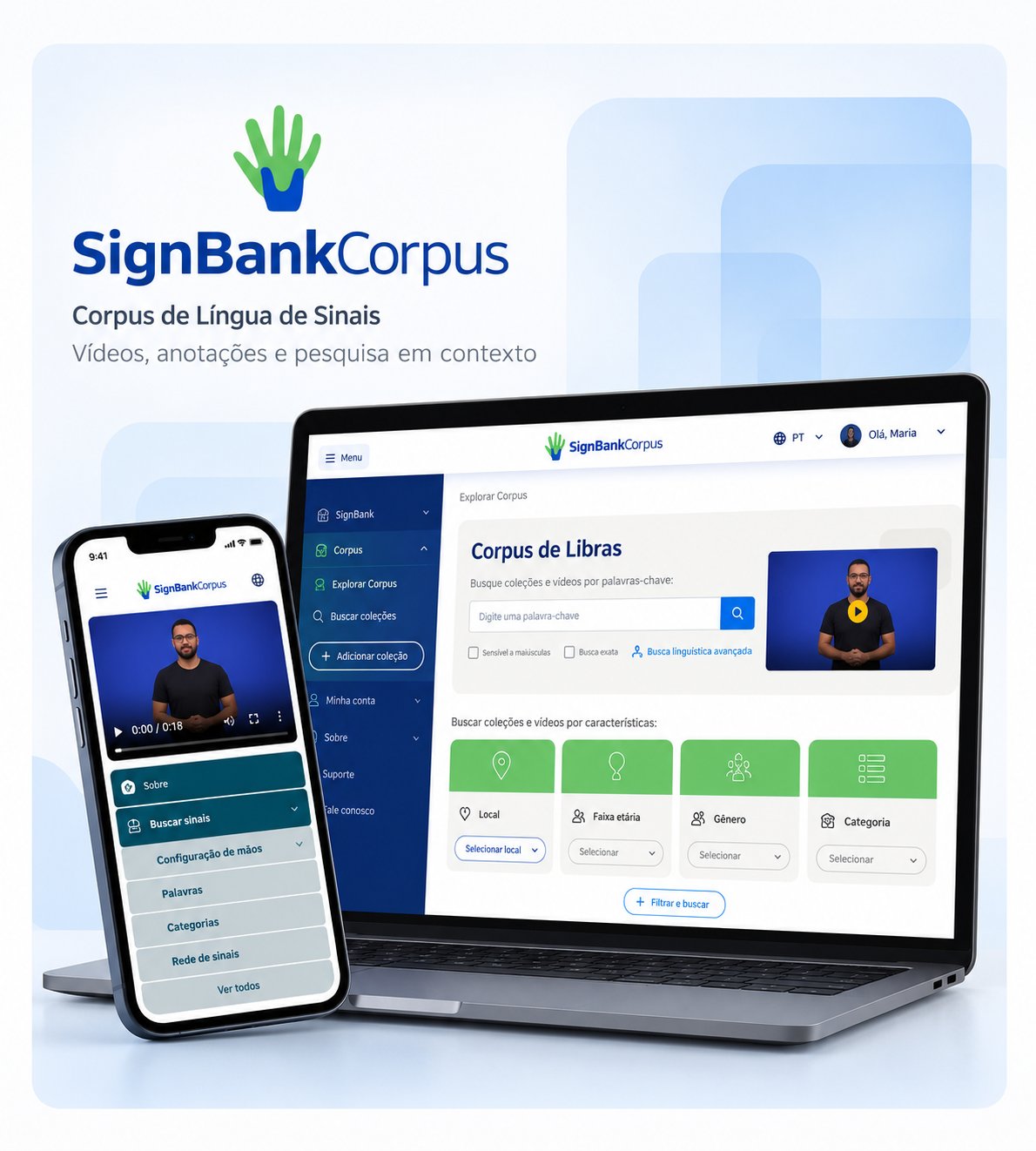
Contribution to the ecosystem: Searchable real-life signing videos with sociolinguistic metadata, collections, linguistic filters and EAF annotation files.
Potential: From a video gloss, find other contextual examples or the corresponding SignBank lexical entry.
Features and implementation
Features and implementation
Includes searches by place, age group, gender and category; access to annotated videos, corpus examples and lexical cross-references.
Further development may improve corpus search, access to annotated signing videos and sociolinguistic metadata, linguistic filters, and links between corpus examples and SignBank lexical entries. Integration, publication and testing with Deaf communities remain subject to further work and validation.
The existing prototypes demonstrate aspects of corpus exploration and linguistic data access. Completing the integration with SignBank, preparing the resource for wider availability, and conducting further technical, linguistic and community-based evaluation are separate development steps.
Funding and collaboration
Funding arrangements and development priorities are discussed with the relevant project partners.
Funding details and how to contribute
Funding details and how to contribute
Further integration, community validation and publication remain development priorities to be discussed with the relevant partners.
Community contributions support the shared ecosystem. Project-specific funding requires an identified campaign or agreement.
SignBank + VisuoLab — ecosystem integration
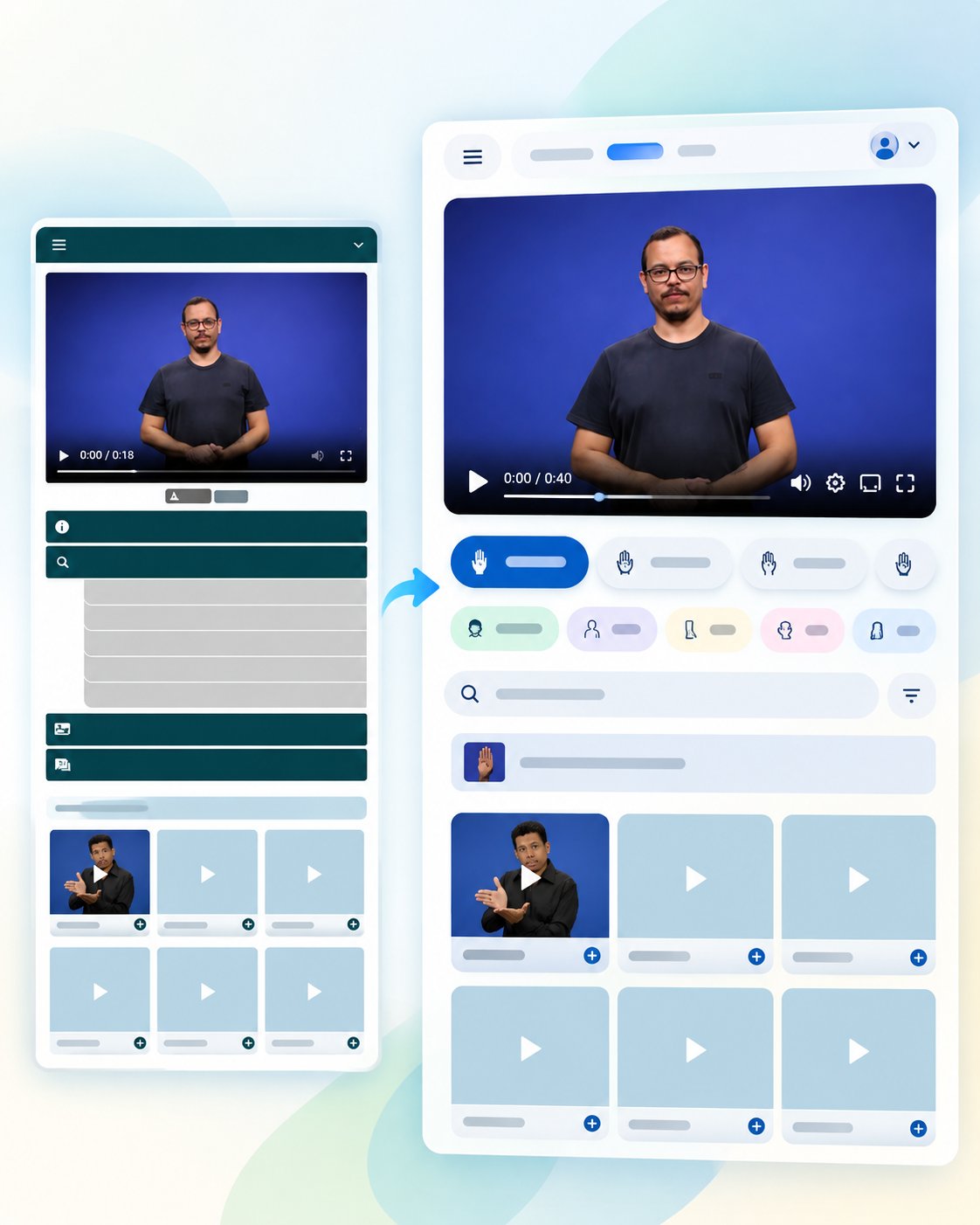
Stage: Proposed — Interface redesign and technical integration.
Scope: SignBank–VisuoLab ecosystem integration.
Purpose: Explore more coherent navigation between dictionary entries, corpus examples, research resources and educational tools.
Outputs and evidence: Potential outputs include interface improvements, contextual links and coordinated access to related resources; these are proposed developments, not completed integrations.
Next steps: Define integration priorities, technical requirements and implementation scope with the relevant partners.
What funding enables: Modernise SignBank’s interface and connect it to VisuoLab while retaining specialised lexicographic and research capabilities.
Contribution to the ecosystem: Consistent navigation, coherent design, connected dictionary and corpus search, and access to education tools.
Potential: Move between sign entries, corpus examples, linguistic research and learning resources.
Features and implementation
Features and implementation
Proposed changes include responsive design, more accessible navigation and cross-platform links without limiting specialised SignBank functionality.
A future integration may connect navigation between SignBank dictionary entries, corpus examples, linguistic research resources and educational tools within the VisuoLab ecosystem. The scope may include interface improvements, contextual links and coordinated access to related resources. Data exchange, shared user accounts, authentication and permissions would require separate technical assessment and agreement between the relevant partners before being included in the integration scope.
Funding and collaboration
Funding arrangements and development priorities are discussed with the relevant project partners.
Funding details and how to contribute
Funding details and how to contribute
The integration and redesign are proposals.
Community contributions support the shared ecosystem. Project-specific funding requires an identified campaign or agreement.
European accessibility — assessment and improvement planning
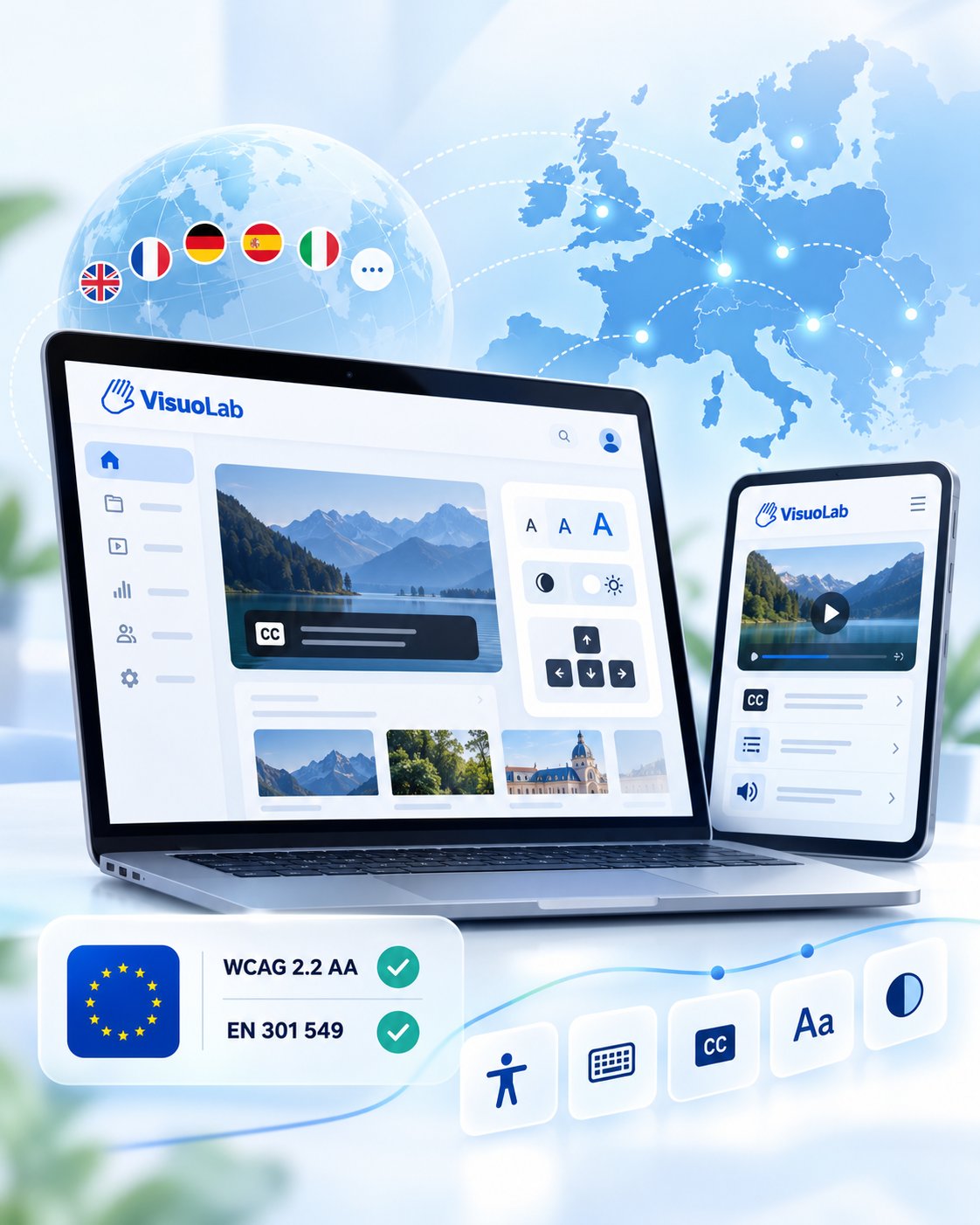
Stage: Planned — Accessibility assessment proposed; implementation has not been confirmed.
Scope: VisuoLab accessibility assessment.
Purpose: Assess accessibility barriers in VisuoLab and establish evidence to guide future improvements.
Outputs and evidence: Proposed assessment outputs include a documented evaluation scope, methods, identified barriers and prioritised recommendations; the assessment has not been presented as completed.
Next steps: Agree on assessment scope, participation and evaluation methods before undertaking the proposed assessment.
What funding enables: Assess VisuoLab against WCAG 2.2 AA and EN 301 549 through automated tests, manual evaluation and user-centred validation.
Contribution to the ecosystem: Identify barriers involving contrast, captions, keyboard use, screen readers, videos, forms and multilingual workflows.
Potential: Produce evidence and a prioritised accessibility action plan.
Features and implementation
Features and implementation
Accessibility assessment, implementation and verification: The initiative distinguishes three stages: (1) assessing accessibility through technical and user-centred evaluation to identify barriers; (2) implementing improvements based on the findings and agreed priorities; and (3) verifying the implemented changes through subsequent technical and user testing. The proposed scope focuses on the assessment stage. Implementation and verification are separate activities to be planned and agreed with the relevant partners.
Proposed assessment deliverables: The assessment is expected to produce (1) a documented scope identifying the pages, interfaces and user journeys examined; (2) a description of the evaluation methods, including automated checks, manual review and user-centred testing; (3) a record of identified accessibility barriers, with supporting evidence and their effects on user interaction; and (4) a prioritised set of recommendations to guide future improvements. The final scope, methods and deliverables will be defined with the participating partners before the assessment begins.
User participation and access conditions: The proposed assessment should consider participation by Deaf sign language users, people with different disabilities, educators, researchers and other relevant user groups. Evaluation activities should account for participants’ language preferences, communication needs, assistive technologies and access requirements. Appropriate arrangements for accessible instructions, participation and feedback should be planned with the partners and participants involved.
Accessibility standards and conformance: WCAG 2.2 AA and EN 301 549 are proposed references for the accessibility assessment. Their use as evaluation criteria does not establish that VisuoLab has achieved conformance or received certification. Any future conformance statement would require appropriate evaluation evidence, a defined scope and separate validation.
Funding and collaboration
Funding arrangements and development priorities are discussed with the relevant project partners.
Funding details and how to contribute
Funding details and how to contribute
The assessment is planned; implementation of fixes is separate from the proposed assessment.
Community contributions support the shared ecosystem. Project-specific funding requires an identified campaign or agreement.
SignBank AI — artificial intelligence and sign languages
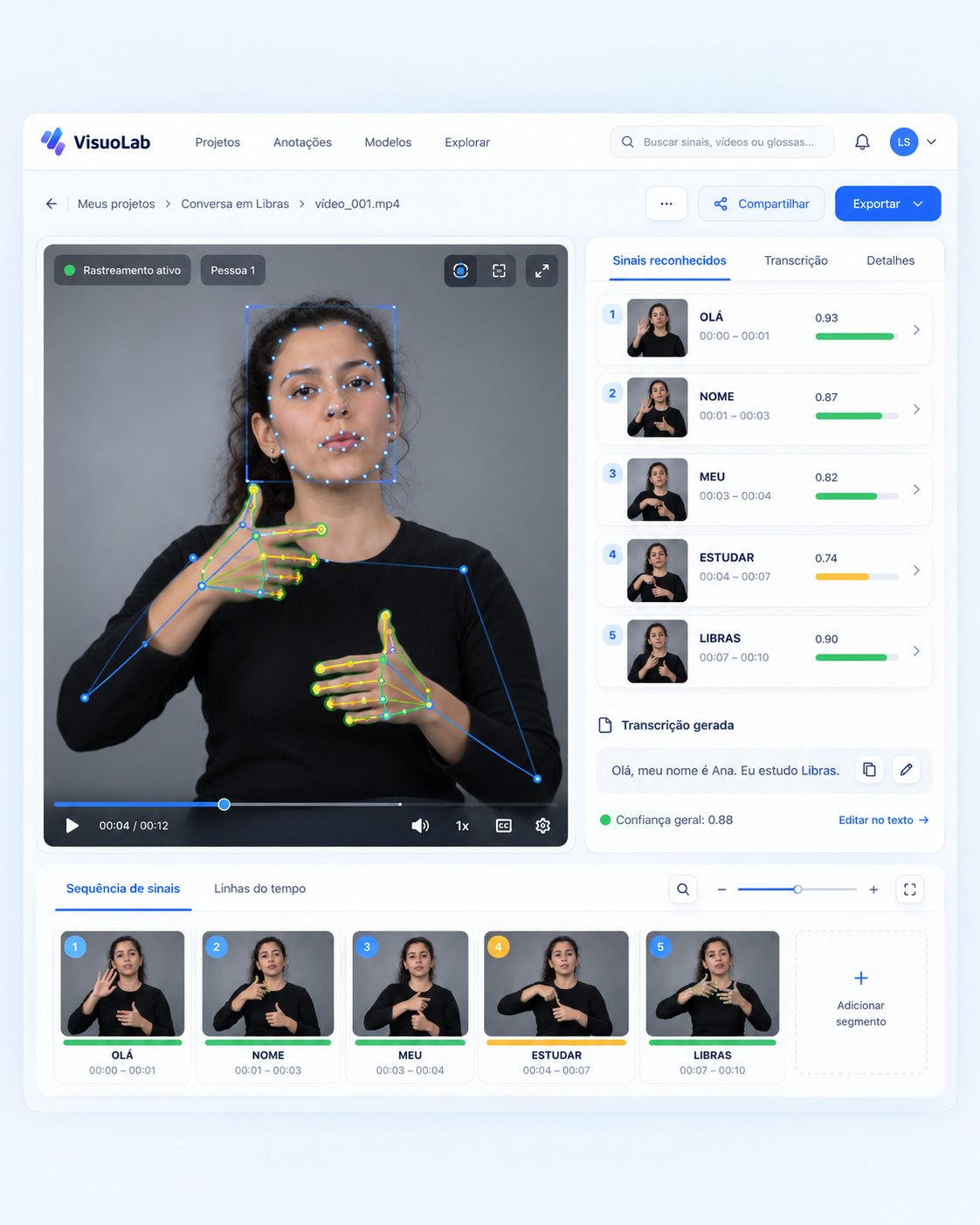
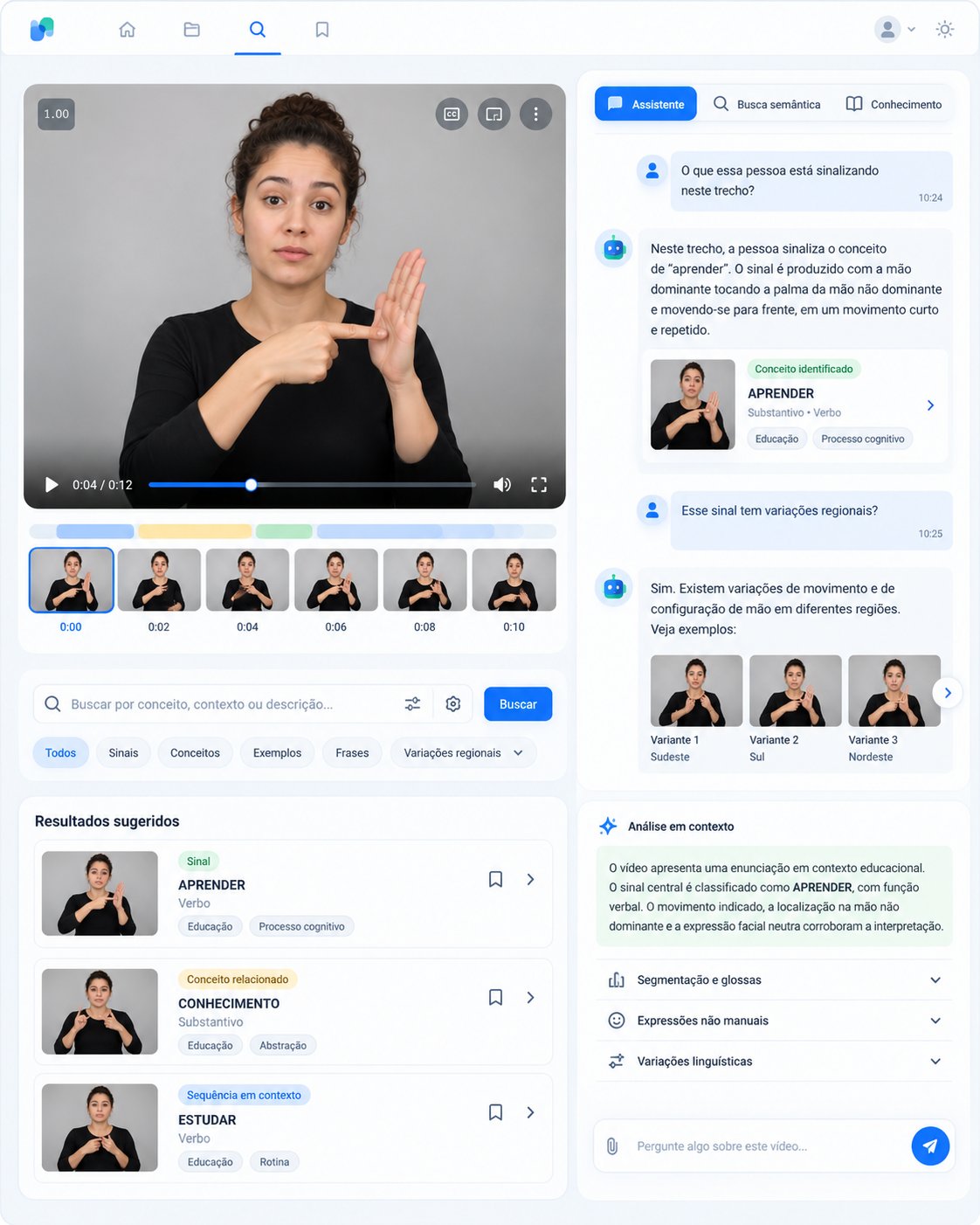
Stage: Proposed — Research and development across several AI-related areas.
Scope: SignBank lexical and corpus resources; AI research.
Purpose: Investigate the possibilities and limitations of AI for recognition, sign-to-text, multimodal interaction and avatar-based signed output.
Outputs and evidence: Potential research outputs include experimental methods, prototypes and evaluation findings. No validated translation service or production capability is assumed.
Next steps: Define research priorities, data permissions, evaluation methods and human review procedures for selected research directions.
What funding enables: Study sign recognition in video, assisted sign-to-text conversion, multimodal interaction and signed-video generation through avatars.
Contribution to the ecosystem: Use SignBank lexical and corpus data as foundations for interoperable AI research and services.
Potential: Improve video cataloguing, educational access and research while retaining human oversight.
Features and implementation
Features and implementation
AI research directions: The proposed initiative brings together four distinct research directions: (1) sign recognition, investigating how signs and linguistic patterns might be identified in video; (2) sign-to-text, exploring assisted conversion of signed video into textual representations; (3) multimodal interaction, studying ways to connect signing videos, text and linguistic references in interactive systems; and (4) avatar-based sign language generation, investigating the possibilities and limitations of digitally generated signing. Supporting research activities include data and infrastructure, recognition, multimodal models, avatar research and international validation.
Research hypotheses and limitations: These research directions explore whether AI methods can support linguistic documentation, video analysis, educational access and interaction with sign language resources. Their feasibility and usefulness remain to be investigated through research and evaluation. Results may be affected by the availability and quality of suitable data, linguistic variation, context, uncertainty in model outputs and limitations of current technologies. Research prototypes should be evaluated for linguistic, cultural, technical and ethical adequacy, with human oversight and opportunities for correction. No particular level of accuracy, translation capability or production-ready service is assumed.
Data rights, licensing and consent: Any proposed use of SignBank lexical resources, corpus videos, annotations or other materials for AI training or evaluation should be preceded by a review of the applicable licenses, permissions, consent conditions and agreements with data contributors and relevant institutions. Access to a resource for linguistic documentation or research does not automatically authorize its use for training AI models. Decisions about dataset selection, permitted uses, access restrictions and any necessary additional permissions should be established with the relevant partners before such activities begin.
Linguistic and cultural evaluation: Research evaluation should consider linguistic variation, regional and community differences, signing context, non-manual features and the cultural appropriateness of AI-generated or AI-assisted outputs. Evaluation methods should involve relevant linguistic expertise and Deaf community participation. Research should also examine uncertainty, error patterns and the potential consequences of incorrect recognition, textual representations or generated signing, particularly in educational and research contexts. Findings, limitations and unresolved risks should be documented to inform decisions about further development and appropriate uses.
Human review, correction and appropriate use: AI-assisted outputs should be treated as research results or provisional suggestions requiring human interpretation and review, rather than authoritative linguistic representations or validated translations. Proposed workflows should allow qualified reviewers, including relevant linguistic specialists and Deaf sign language users, to examine results, identify errors, provide corrections and document unresolved uncertainties. The level of review and the suitability of any output should be assessed according to its intended context of use, particularly in linguistic research, educational materials and public-facing applications. Human review procedures and responsibilities would need to be defined and evaluated before wider deployment.
Funding and collaboration
Funding arrangements and development priorities are discussed with the relevant project partners.
Funding details and how to contribute
Funding details and how to contribute
Research concepts are not production translation services.
Community contributions support the shared ecosystem. Project-specific funding requires an identified campaign or agreement.
V-book AI — bilingual teaching materials with AI agents
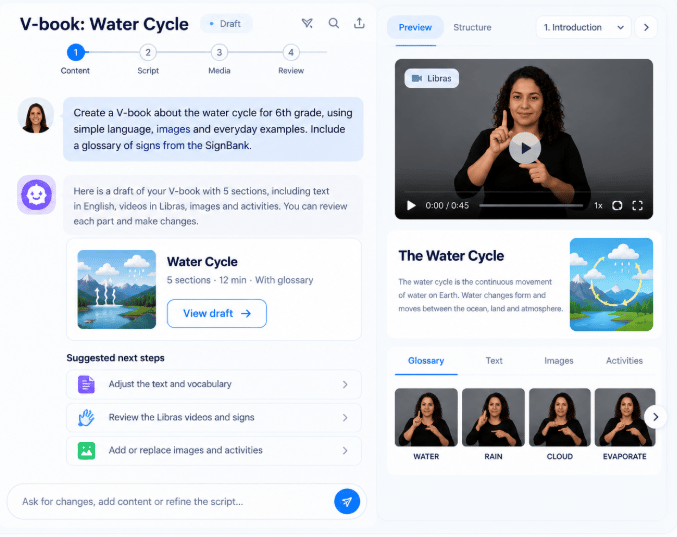
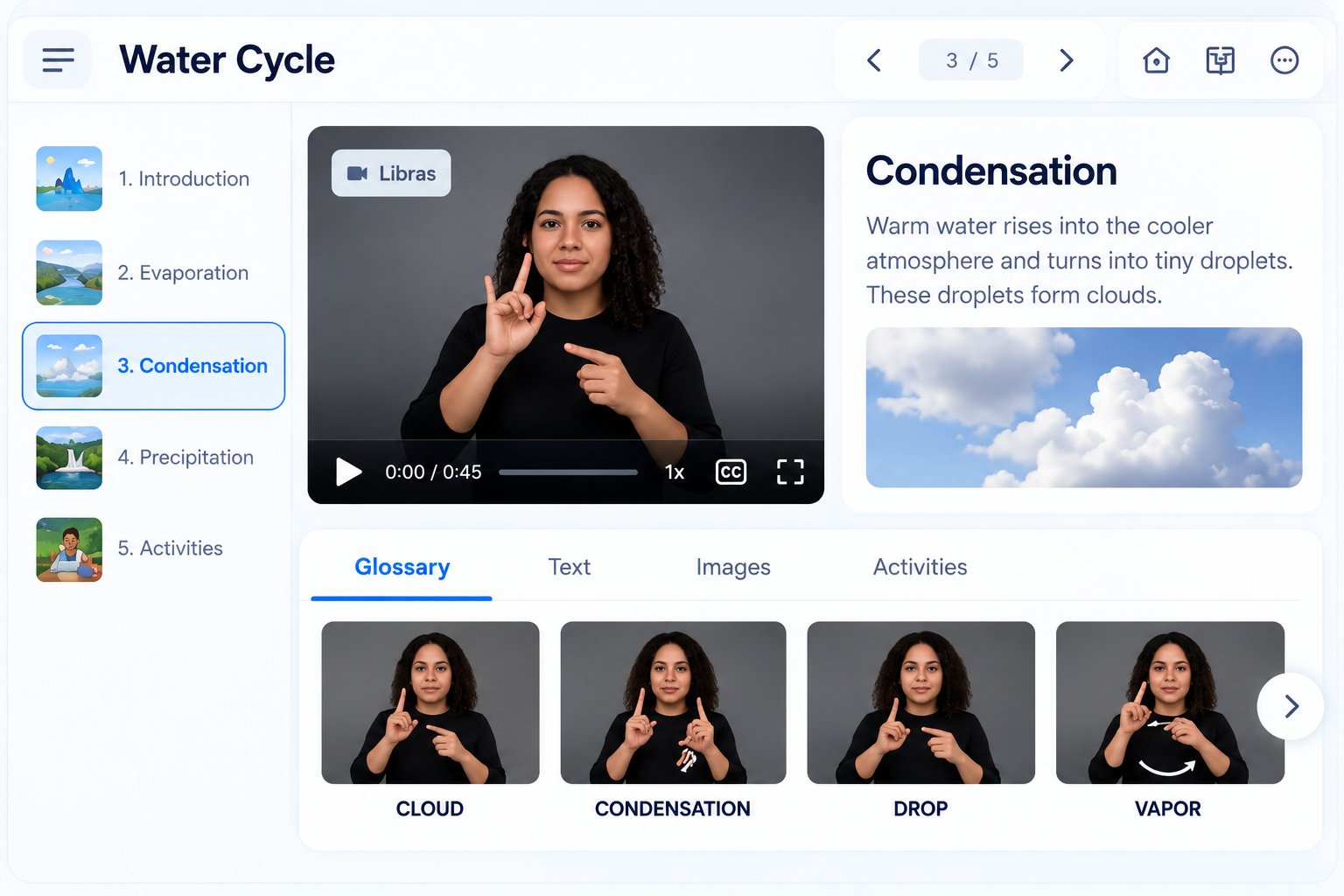
Stage: Proposed — Research and development of AI-assisted bilingual teaching tools.
Scope: VisuoLab V-book editor, with proposed SignBank integration.
Purpose: Explore AI-assisted preparation and revision of bilingual teaching materials within the VisuoLab V-book editor.
Outputs and evidence: Proposed outputs include editable pedagogical drafts, glossary suggestions, sign language script proposals and accessibility guidance, subject to human review.
Next steps: Define the technical proposal, educational pilot contexts, curricular adaptations and human-led validation procedures.
What funding enables: Integrate an AI-assisted chat into VisuoLab’s V-book editor, using SignBank references to help teachers create and revise bilingual content.
Contribution to the ecosystem: Pedagogical adaptation, glossaries, sign language scripts, visual composition and accessibility checks with human-led signing.
Potential: Faster material creation, pilots in Santa Catarina and another Brazilian region, and open tools for other institutions.
Features and implementation
Features and implementation
Technical development and integration planning: The initiative may explore AI-assisted workflows connected to the VisuoLab V-book editor, SignBank resources and relevant educational references. Potential components include specialised AI assistants, integrations with linguistic resources and tools for pedagogical planning, sign language scripts, visual composition and accessibility guidance. The architecture, number and responsibilities of agents, MCP servers, data flows and integration requirements remain matters for a separate technical proposal and evaluation with the relevant partners. Pilot activities, educator training and impact evaluation may be considered as part of an agreed development scope.
Curricular references and local adaptation: For proposed educational pilots in Brazil, the development of bilingual teaching materials may consider the Base Nacional Comum Curricular (BNCC), together with relevant local curricula, educational practices and the linguistic and cultural contexts of Deaf learners. The applicability of curricular references, pedagogical methods and language resources should be assessed with participating educators, Deaf communities and institutional partners. Implementations in other countries or educational contexts would require adaptation to their own curricular frameworks, languages and pedagogical priorities rather than assuming the BNCC as a universal reference.
AI-assisted drafting and human-led signing: The proposed V-book AI initiative may assist educators in preparing and revising bilingual teaching materials through pedagogical suggestions, glossary drafts, sign language script proposals, visual composition guidance and accessibility recommendations. These AI-generated contributions are intended as editable drafts and supporting resources, not finished or automatically validated educational content. The selection of linguistic forms, production of signed videos and validation of sign language content require appropriate human expertise, including Deaf sign language users and relevant educational and linguistic specialists. The initiative does not assume automatic generation or linguistic validation of signed videos.
Data flows, service providers and hosting: Before introducing new AI services or integrations, the proposed technical assessment should examine which information may be exchanged between VisuoLab, SignBank and any external systems; which providers and hosting arrangements would be involved; and how access, storage, retention and deletion of data would be managed. Security, privacy, permissions and applicable institutional requirements should be considered alongside technical feasibility.
Funding and collaboration
Funding arrangements and development priorities are discussed with the relevant project partners.
Funding details and how to contribute
Funding details and how to contribute
AI agents and related features are proposals requiring human review.
Community contributions support the shared ecosystem. Project-specific funding requires an identified campaign or agreement.